Loonatiks Design Crew is a creative force that thrives on pushing boundaries and thinking outside the box. Their work is instantly recognisable, thanks to their unique style, yet no two projects ever feel the same. With a sharp focus on branding and corporate identities, they’ve become masters of creating distinct visual narratives for their clients. In recent years, Loonatiks have revolutionized web design, taking it to new heights and earning multiple awards for both their branding and digital projects.
It has been a great pleasure to collaborate with Loonatiks Design Crew for all these years. Every project they bring to us is an exciting challenge that not only tests our capabilities as a printing house but also pushes us to innovate and grow.
In this exclusive interview, we sit down with Dimitri & Maria to explore the origins of their agency, their unique creative process, and the standout projects that have earned them international recognition. Join us as they share insights into their journey, challenges, and what inspires them to keep pushing the boundaries of design.
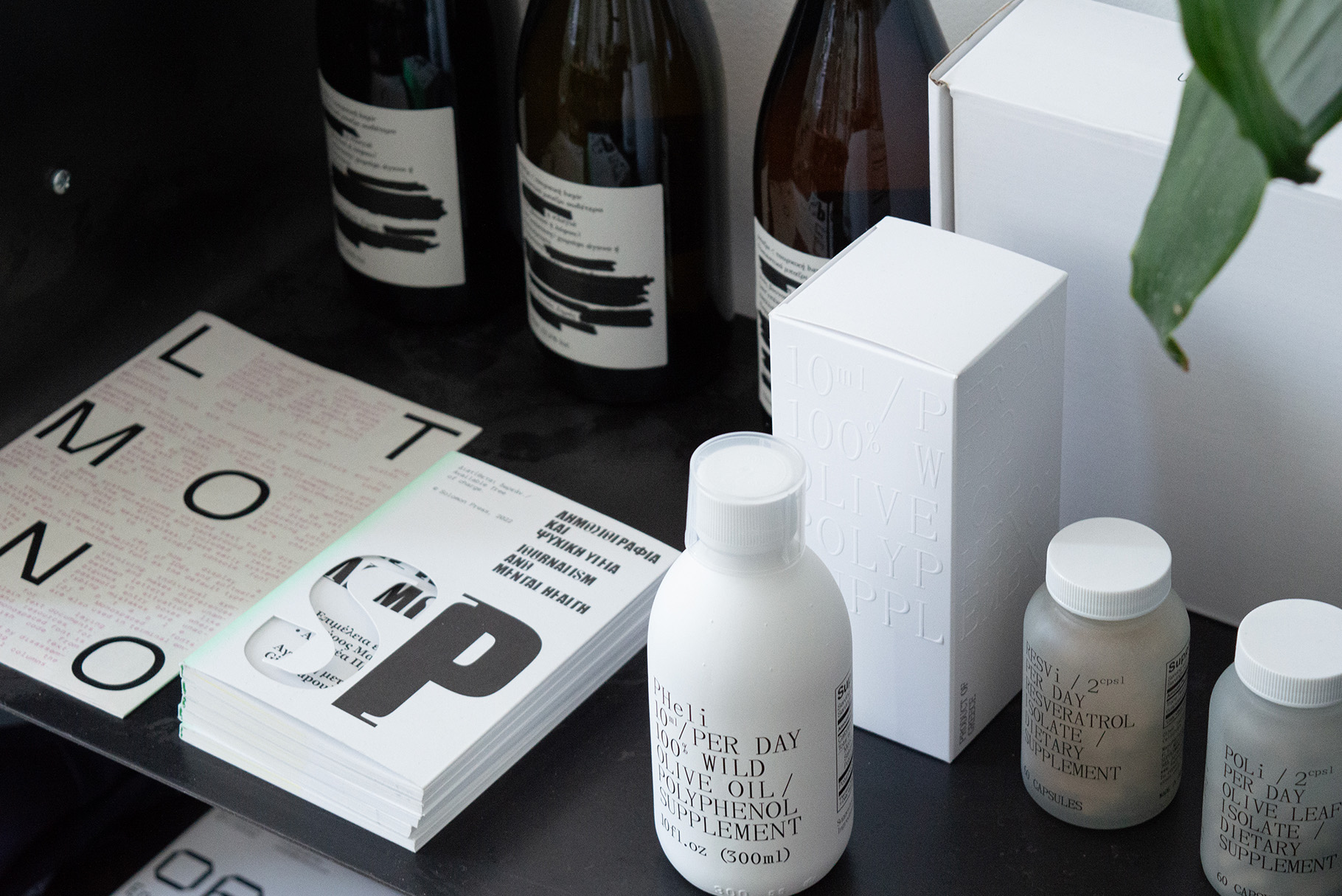
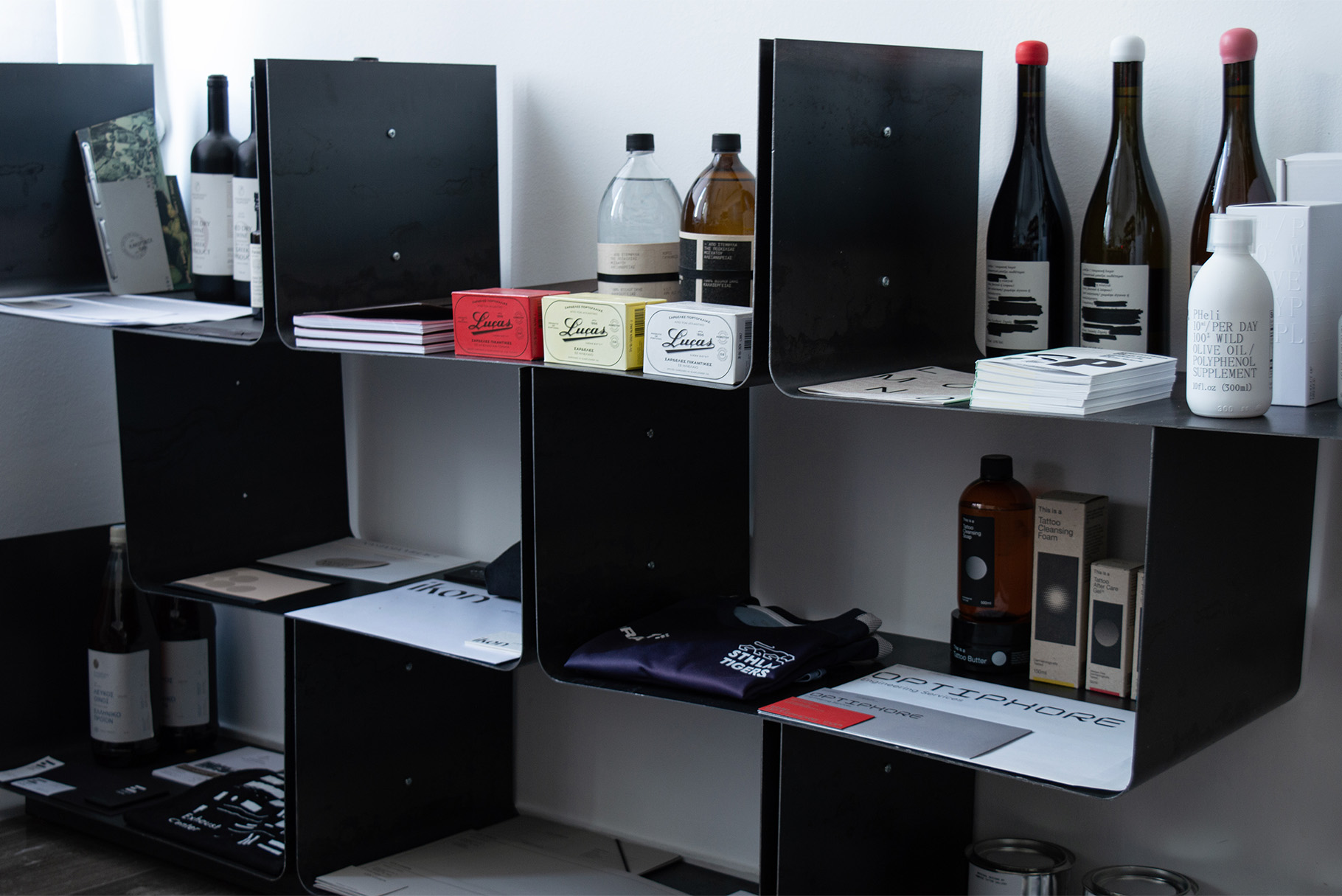
1. Can you tell us about the origins of your agency and what inspired its creation?
Starting our own agency felt like a natural evolution in our careers. After working for various design studios, we reached a point where we wanted to explore our creative vision on our own terms. Founding our studio allowed us to shape our work through a distinct, personal lens and pursue a path that fully embraced our design philosophy.
2. What are some of the most notable projects your agency has worked on, and what made them stand out?
We’d like to highlight two projects, one in print and one digital:
• Print: Lex Legein, our first brand identity project as a new studio. Winning first prize at the national design awards made it an especially memorable start for us. It was more than just a win—it felt like validation of our direction and creativity from day one.
• Digital: The website for Yannick Gregoire, a close friend and talented web developer. This project went on to win multiple awards, both nationally and internationally, and it opened doors for us on a global scale. It helped establish us as a studio with an international presence.
3. How has your agency grown or evolved over the years, and what key factors contributed to that growth?
We began primarily focused on branding and packaging but quickly expanded into digital design and motion graphics. This growth gave us a broader toolkit and a new perspective, which has helped shape not only our projects but also the way we approach the design process as a whole. Embracing new technologies and methodologies has allowed us to stay relevant and continually push creative boundaries.
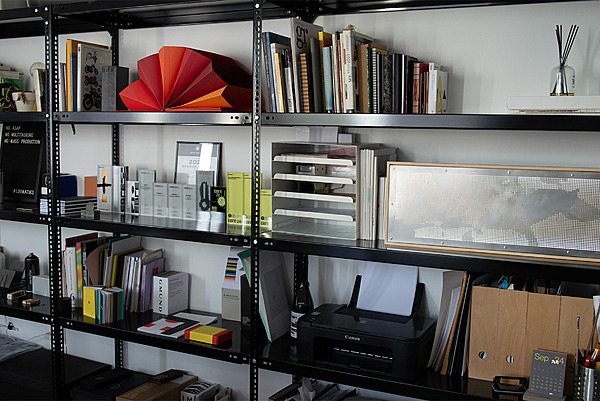
4. What has been one of the biggest challenges your agency has faced, and how did you overcome it?
Where to begin? The Greek financial crisis, the COVID pandemic, the ongoing conflict in Ukraine, inflation, and climate change—all these have impacted our lives and our work. We’ve faced them all by maintaining our focus on the craft. Each project is treated like it’s our first or last, with full commitment, passion, and precision. By anchoring ourselves in the quality of our work, we’ve managed to push through every challenge.
5. How does your agency approach the creative process, from concept to final design?
Our approach to design is very basic. We find appropriate keywords related to each project, and then we research the words’ etymologies and origins. The result of this process dictates our solution. If you base your concept on a story or meaning that goes back to ancient Greece—or even further—it can’t be weak or wrong. Eight out of ten times, we use the same typefaces repeatedly. We think of these typefaces like an electric guitar: if you give the same guitar to a blues musician and a punk musician, the resulting music will be totally different. The same principles apply when we photograph for projects: we use the same lights and camera all the time. The project itself is the catalyst.
6. What trends or changes in the graphic design and creative industry are you most excited about right now?
Creative coding is particularly exciting for us. The way it opens up new possibilities in both digital and print is inspiring. It’s a fusion of art and technology that’s driving the design world into new territories, giving us tools to create more interactive, dynamic experiences across platforms.
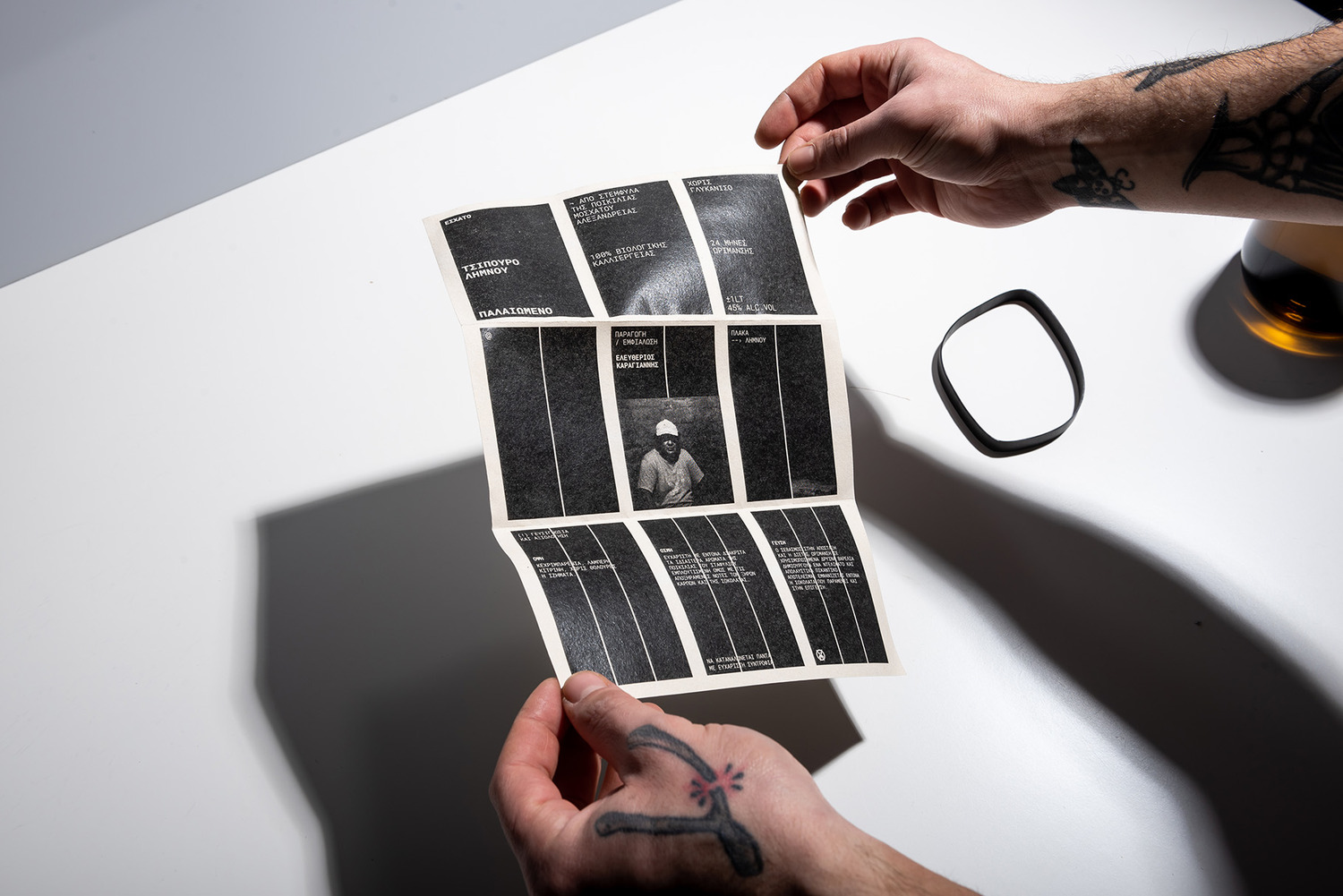
7. How does your agency integrate print media into your overall design strategy, and what role does print play in your projects?
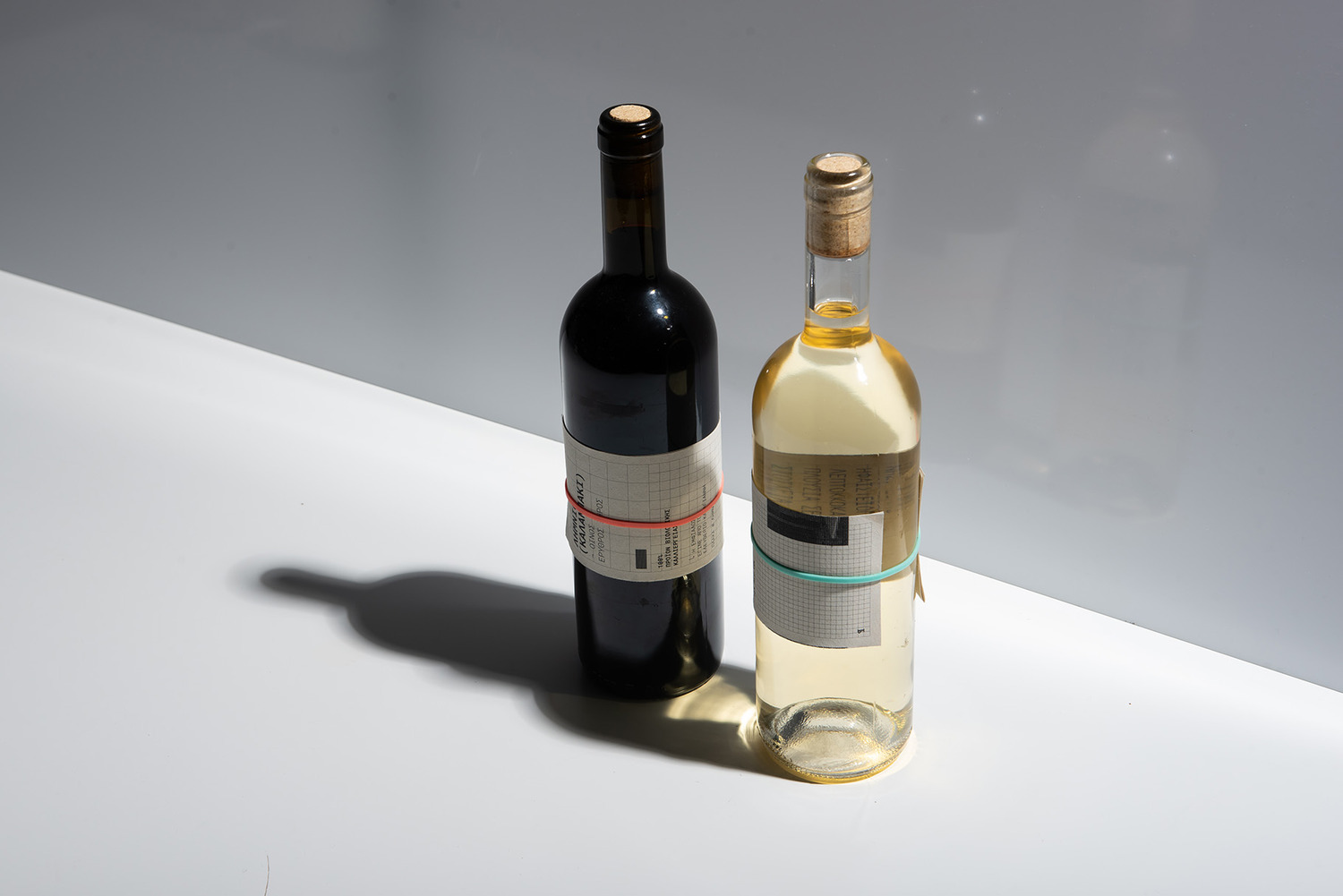
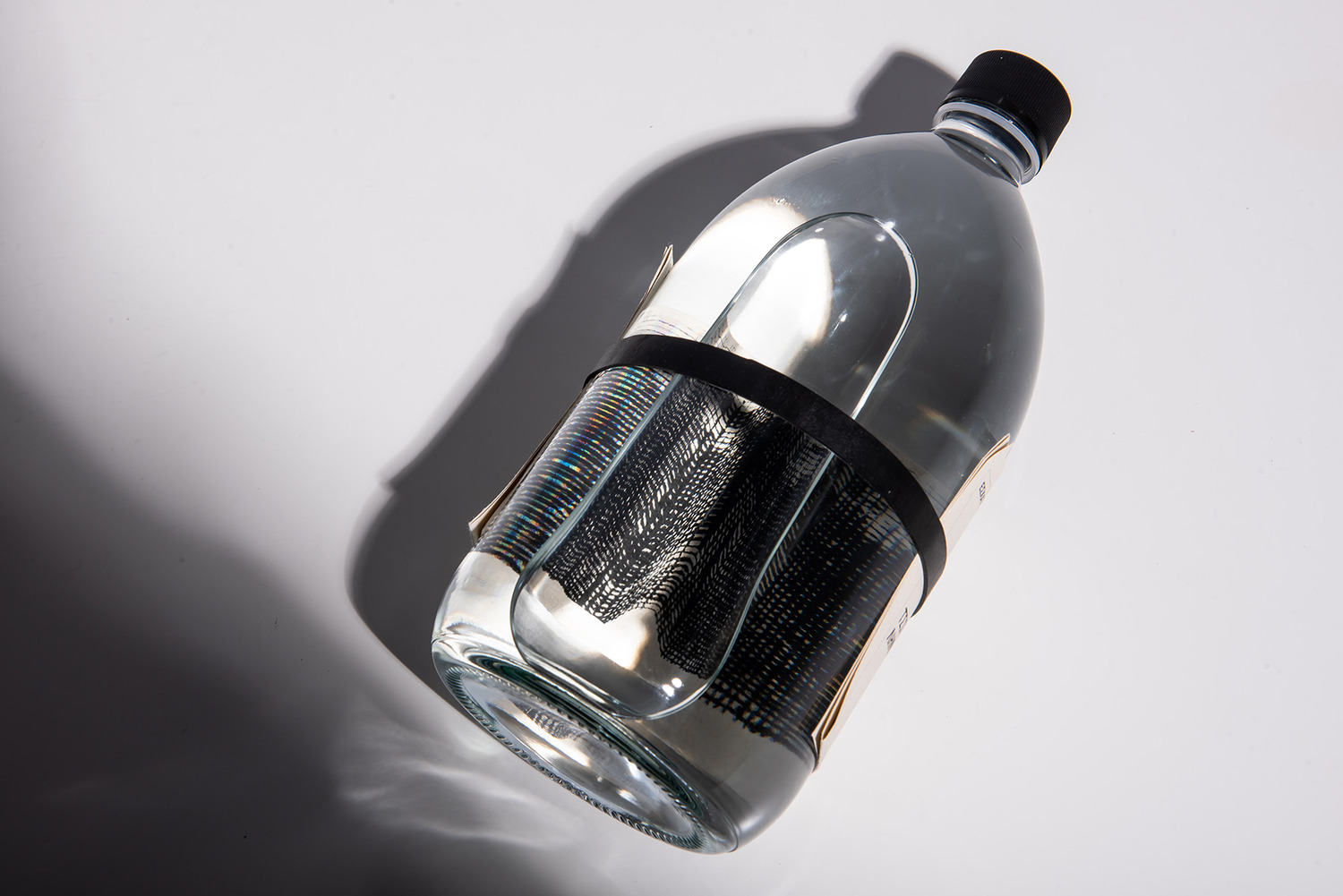
Print media brings a tactile, analogue aspect that complements our minimalistic approach. The combination of paper types, textures, and printing techniques allows us to extend the identity of a project beyond just a logo. Print is an extension of the brand personality, offering a sensory experience that can’t be replicated digitally.”
8. What are some challenges you face when designing for print compared to digital?
The unique aspects of print design, problem-solving skills, and adaptability.
Designing for print requires a deep understanding of physical materials—how paper responds to stamping, for instance, or the limitations of traditional printing machines. Navigating these nuances allows us to push those limits and create something exceptional, using the constraints of the medium to our advantage.
9. How do you see the future of print evolving in the digital age, and what innovations in print design are you most excited about?
The line between print and digital is increasingly blurred. They fuel each other, and we believe the future lies in their interplay. As new technologies emerge, we see exciting innovations in print—like the integration of augmented reality or interactive elements—that keep the medium fresh and relevant in the digital era.
10. Where do you find your inspiration, and what advice would you give to the younger generation of graphic designers?
Our inspiration comes from everywhere—films, architecture, books, conversations, travel, and, of course, the work of both contemporary and past designers. The world is full of creative sparks. Our advice to young designers is simple: be fearless. Don’t be afraid to ask questions, make mistakes, push boundaries, or demand more. Experimentation and boldness are what drive progress. Fearlessness is essential.
Awards:
AWWWARDS – Winners (x5)
CSS DESIGN AWARDS – Winners (x4)
ERMIS AWARDS – Finalist
PENTAWARDS – Winners 2020
EBGE AWARDS – Winners (x12)
ADOBE BEHANCE – Winners (x33)